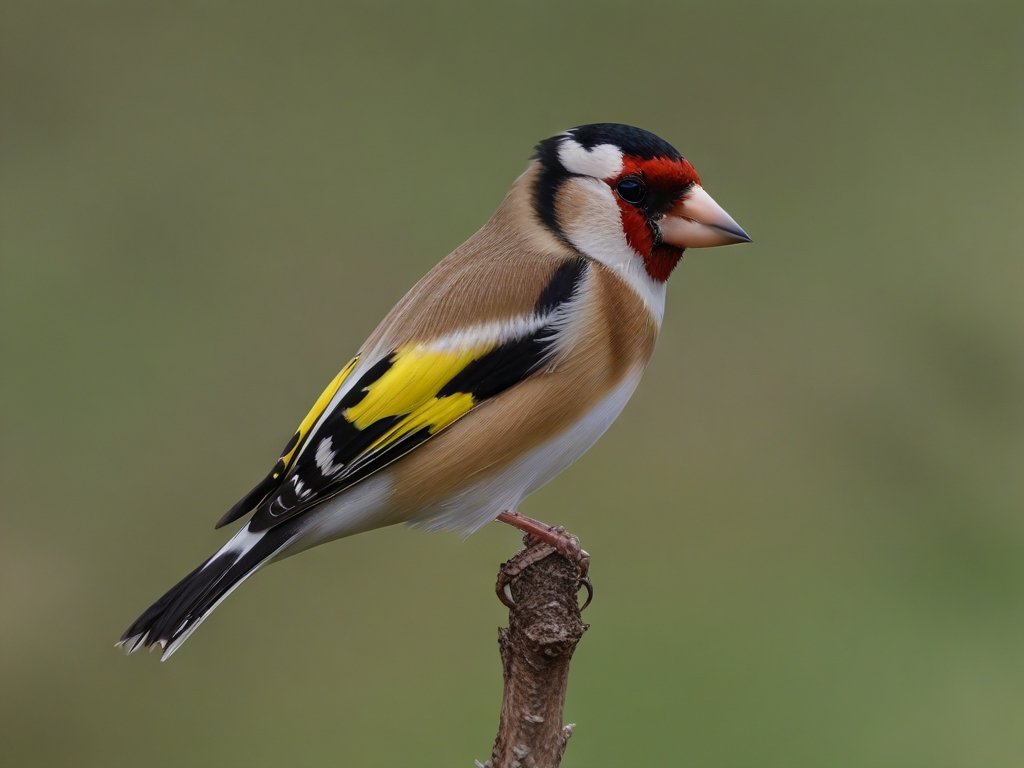
Watching birds can be an entertaining and rewarding experience but it is not the only reason you might want to attract them to your garden as they provide many other benefits. They help pollinate flowers, control pests, disperse seeds, and enrich the soil with their droppings. By attracting birds to your garden, you are also helping to conserve their populations and habitats, which are threatened by habitat loss, climate change, and pollution. Here we look at the best and easiest options to increase the number and variety of birds you can entice to visit your garden.
Plant Suitable Types of Trees, Shrubs and Flowers.
There are a variety of trees and shrubs that you can plant that will attract different types of birds and the layout and size of your garden will affect what you can use but the following are all options for a range of garden birds.
Hawthorn: This native tree produces white flowers in spring and red berries in autumn, which are a food source for many birds such as thrushes, blackbirds, robins and finches. It also provides shelter and nesting sites for birds.
Buddleia: This shrub has long spikes of purple, pink or white flowers that bloom in summer and attract butterflies, bees and birds. It is especially favoured by birds such as Blue Tits, Great Tits, Goldfinches and if you are lucky in the Summer some types of Warblers. It is easy to grow and can tolerate dry and poor soils. Also known as the butterfly bush a bonus is the range of colourful butterflies you will see in Summer including Red Admirals, Peacocks and Small Tortoiseshells.
Sunflower: This annual flower has large yellow heads that produce seeds that are loved by birds such as tits, sparrows, greenfinches and siskins. You can either leave the seeds on the plant for the birds to feed on or collect them and offer them in a feeder. Sunflowers also provide a perch for birds and attract insects that birds can eat.
Rowan: This deciduous tree has clusters of white flowers in spring and bright orange-red berries in autumn, which are eaten by birds such as Blackbirds, Song Thrushes, Mistle Thrushes as well as winter visitors Redwings and Fieldfares. It also has colourful foliage that adds interest to the garden. Rowan trees are tolerant of cold and windy conditions and can grow in most soils.
Lavender: This perennial herb has fragrant purple flowers that bloom in summer and attract bees, butterflies and birds. It is especially popular with Wrens and Finches. Lavender is easy to grow and can thrive in sunny and well-drained areas. It also has medicinal and culinary uses.
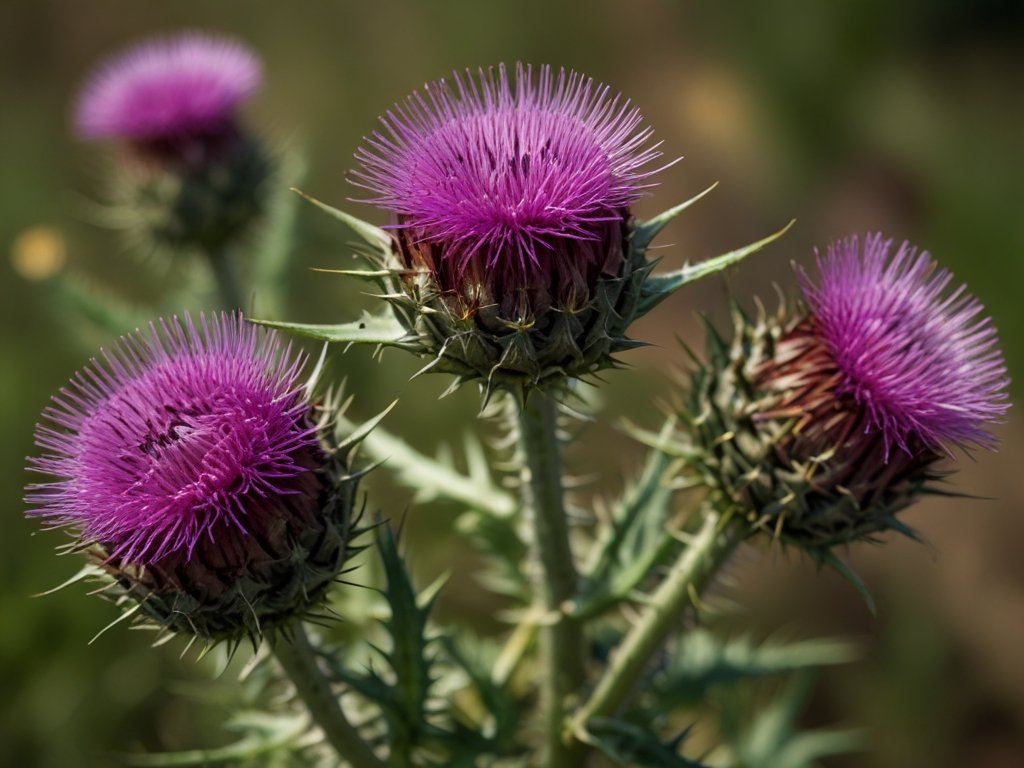
Thistles: Thistles are plants with spiny leaves and purple flowers that produce seeds that are rich in oil and protein. Many birds enjoy eating thistle seeds, especially finches, such as Goldfinches, Bullfinches, Siskins, Lesser Redpolls or Crossbills. If you grow thistles in your garden be careful not to let the thistles spread too much, as they can be invasive and harm other plants.
Hang Bird Feeders or Fat Balls.
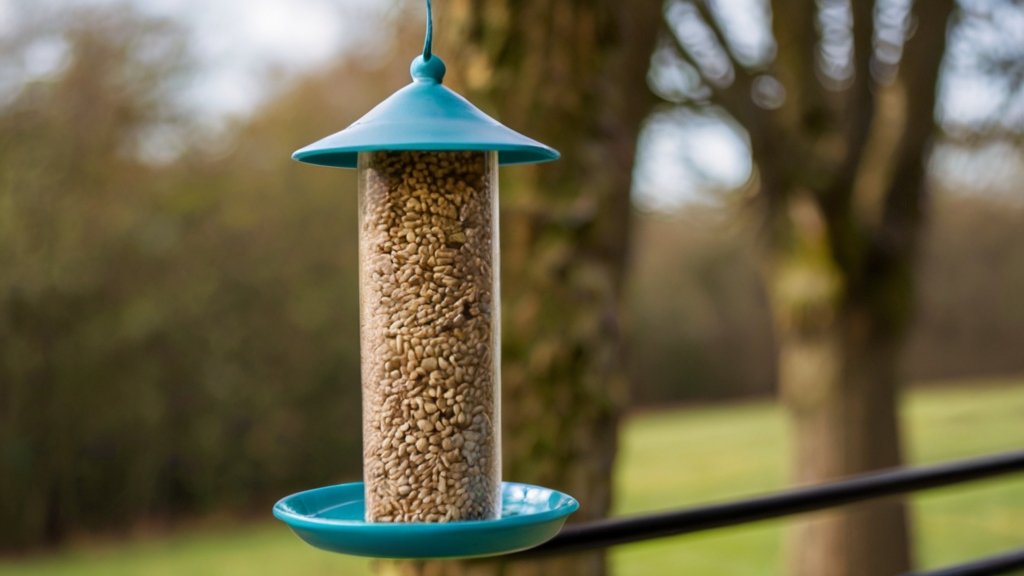
There are a variety of seeds and nuts that can be provided in hanging feeders that will attract different sorts of birds.
Sunflower hearts: These are high in oil and protein and can be offered whole or shelled. They are favoured by many birds, such as tits, finches, nuthatches and woodpeckers. You can buy them in bulk or mixed with other seeds. Birds love these and if you only purchase one type of food these are the ones to buy. I have found in the past when giving birds a mixed blend of seed via a bird table or just feeding on the ground they will pick out the Sunflower hearts first.
Nyjer seeds: These are small black seeds that are rich in oil and energy. They are especially attractive to Goldfinches, Siskins, Lesser Redpolls and Greenfinches. You will need a special feeder with small holes to prevent wastage. They are a great choice of seed that is very good at enticing Goldfinches in for the first time.
Peanuts: These are a good source of fat and protein for birds, especially in winter. They are enjoyed by tits, woodpeckers, sparrows, nuthatches and starlings. Make sure you buy unsalted and unroasted peanuts and use a small mesh feeder to prevent birds from taking larger pieces which can cause them to choke. This is a bigger issue during the breeding season as young birds are more vulnerable to this.
Mixed seeds: These are a combination of different seeds, such as millet, maize, wheat, oats and barley. These are probably better just scattered on the ground where they can attract a variety of birds, such as Sparrows, Doves, Pigeons, Robins and Blackbirds.
Fat Balls or Blocks. These can hang from mesh bags or proper Fat Ball feeders which can be a variety of shapes depending on the food used. Fat Balls are nutritious high-calorie foods that are made from a mix of suet, seeds and cereals. Some types also use mealworms. Very popular with agile birds such as Blue Tits and Great Tits you can also break them up and leave them on the ground for other species of birds. Robins and Blackbirds are among the ones that will enjoy them that way.
Buy A Bird Table to Supply Other Sorts of Food.
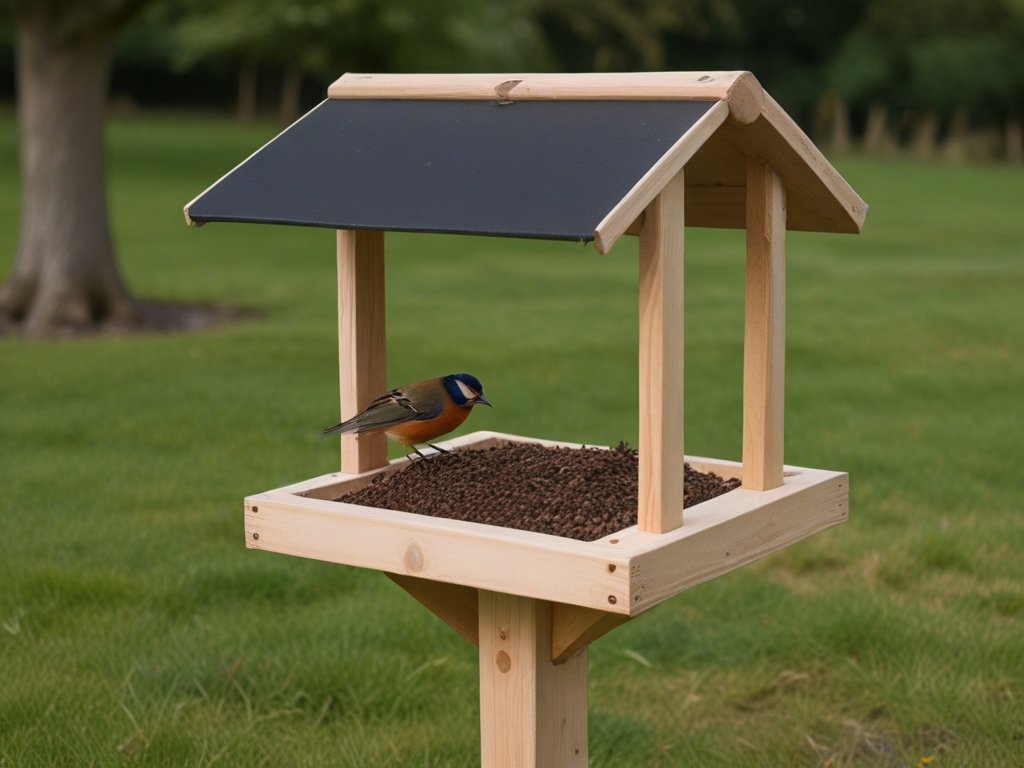
Some garden birds lack the agility to feed from hanging feeders or fat balls and prefer to feed directly from the ground or off a bird table where they may be more comfortable if they have a better view to see any threats.
You can buy a range of bird tables or even make a simple one yourself. They can be mounted on a pole hung from a tree or fixed to a wall or ledge. Some have a roof or even a nesting box attached. They may have drainage holes to help prevent the food from becoming soggy in wet conditions.
It is important to keep a bird table clean to prevent disease and it’s worth bearing in mind when purchasing one that a simpler design may not look as impressive, but it may well be a lot easier to clean once it has been outside for a few months.
Provide a Source of Fresh Water For Birds.
Water is vital for birds’ health and survival, especially during dry periods or cold snaps. To provide water for birds, you can buy a special drinking feeder that can be hung from a bird table or tree or use a suitable receptacle of your own. Birds will also appreciate and enjoy a bird bath and once again you can purchase a commercially available bird bath or make your own by using a large plant saucer or a plastic lid. The water container should have a smooth edge and a textured bottom. The water should be about two and a half cm deep (1 inch). Provide it near to some cover so the birds feel they can reach safety if they feel threatened but be aware of putting it close to somewhere where cats could hide and catch an unsuspecting bather. All water provided should be changed regularly and the bath/feeders should be cleaned often to prevent disease.
Buy a nesting box For THE BIrds YOU hope to attract.
Nesting boxes vary according to the type of bird they are designed to use them and the size and location of your garden as well as the species of birds that visit you will affect the choice of which ones would be suitable. You can choose from the following types.
Small hole nest box: This is a simple wooden box with a small round entrance hole that suits Blue Tits, Great Tits, Nuthatches and Sparrows. The hole size should be somewhere around 30mm for species like these, but you can get larger ones for birds such as Starlings. The box should be placed at least 2 metres above the ground and protected from direct sunlight and rain.
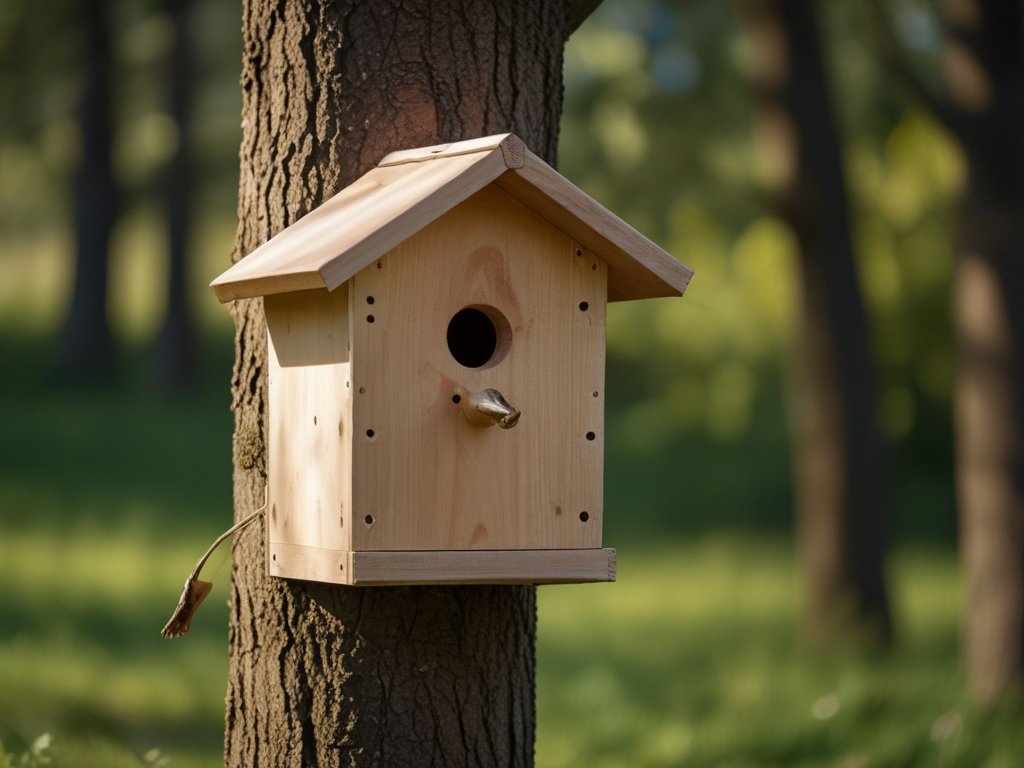
Open-fronted nest box: This is a wooden box with a large opening at the front that suits Robins and Wrens although other types may well use it. The opening should be about a third of the front panel and the box should be well hidden among vegetation, at a height of 1 to 2 metres.
Swift nest box: This is a wooden box with a narrow horizontal slot at the front that suits swifts, which are declining in numbers due to the loss of suitable nesting sites. The slot should be about 30mm high and the box should be placed high up under the eaves of a building and if possible face in a Northwest or North East direction.
House Martin nesting cups. House Martins nest under eaves and these nest cups are built to the same size and design as ones the birds themselves would build. You can buy several of these and place them close together.
Owl nest box This is a large wooden box with a big round entrance hole that suits owls, such as Barn Owls, Tawny Owls and Little Owls. The hole size should be between 75mm and 150mm, depending on the owl species. The box should be placed in a quiet and secluded spot, at least 3 metres above the ground, preferably on a tree or a barn wall.
Create a Wildlife Pond or Bog Garden.
Choose a suitable location that receives some sun but is not too exposed to wind or frost. Ideally, the area should be the lowest-lying part of the garden and have clay soil that retains moisture. If you don’t have the space or a suitable area you can also use a large container, such as a barrel, tub or trough, to create a mini-bog or pond.
To make one first dig a hole or use a liner to create a basin for the water. The depth and size of the hole or liner will depend on the space available and the type of plants and animals you want to attract. For a bog garden, the water level should be just below the soil surface. For a pond, the water level should be at least 30cm deep in the centre, with shallower edges and a sloping side for easy access. Before using a liner make sure it is level and free of sharp objects that could puncture it.
Fill the hole or liner with water and let it settle for a few days. You can use rainwater, tap water or pond water, but avoid using water that has been treated with chlorine or other chemicals. You can also add some gravel, sand or soil to the bottom of the hole or liner as this will create a natural base that will encourage plant and animal life.
Add some aquatic plants to the bog garden or pond, such as Water Lilies, Iris, Marsh Marigold, Water Mint, Frogbit, Hornwort, Duckweed or Watercress. These plants will provide food, shelter and oxygen for the wildlife, as well as add colour and interest to your garden. You can also add some marginal plants around the edge of the water, such as Flag Iris, Rush, Sedge, Reed, Willow or Dogwood. These plants will help to stabilise the bank and create a natural transition from water to land.
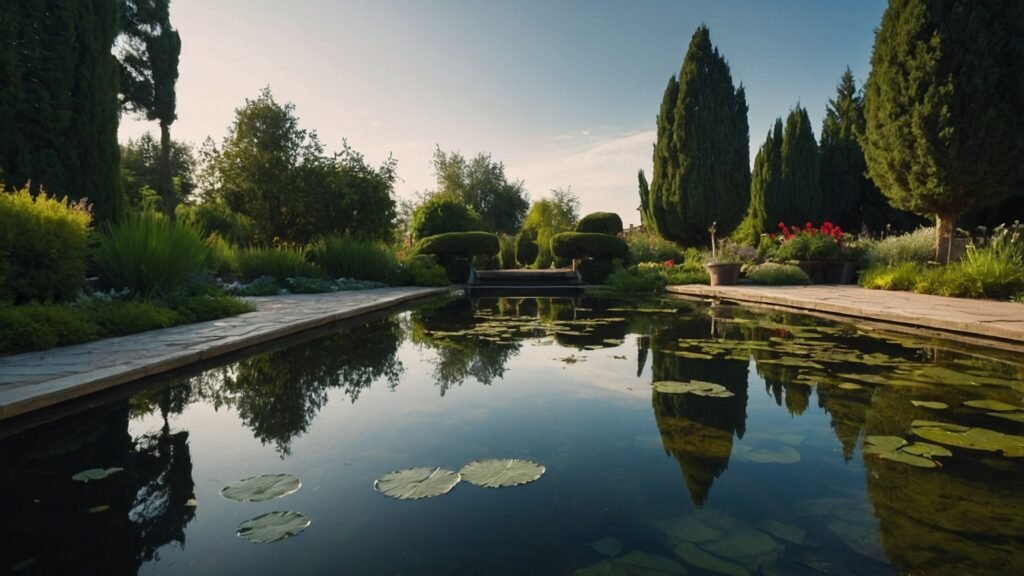
A wildlife pond can attract a variety of birds and you might be lucky enough to see Kingfishers, a Heron, Moorhens or other species of ducks as well as your usual garden visitors. A bonus is that it may also attract a variety of other small animals and insects such as Frogs, Toads, Newts, Dragonflies, Damselflies, Beetles, Snails or Butterflies.
The UK has a wide variety of different birds of all sizes, colours and characteristics and they will provide hours and hours of pleasure for you and your family for very little cost or effort. Any of these suggestions will quickly increase the number of birds that inhabit your garden. You will also be providing a valuable service to maintain or even increase the amount of birds we have so they will still be there for future generations to enjoy so why not go out today and buy your first bird feeder!
Why not find out how to recognise 20 of the most popular garden birds in the UK by reading our article on them. https://everythingforgardens.co.uk/twenty-common-garden-birds/