
Introduction
When people think about designing a wildlife friendly garden often the focus is on birds or beneficial insects such as butterflies and bees but in Britain, we have a wide range of small mammals that can be attracted into your garden by providing them with suitable food, water, shelter and habitat. A lot of these species have seen a decline in numbers in recent years so building a wildlife-friendly garden will help these animals survive and thrive as well as give you hours of enjoyment.
Reasons For Population Declines of Wild Animals.
There are many reasons that our native animals have suffered a drop in population in recent years with the main ones being as follows –
- Habitat loss: Many small animals depend on natural habitats such as woodlands, grasslands, wetlands, and hedgerows for their shelter, food, and breeding. However, many of these habitats have been reduced or destroyed by new housing and infrastructure development, changes in agriculture practices and forestry management leaving wildlife with less space and resources to survive.
- Climate change: Global warming has led to an increase in extreme weather events, such as droughts, floods, heatwaves, and storms. This has affected the availability and quality of water, food, and shelter available for small animals. It has also altered the timing and patterns of seasonal activities, causing problems with migration, hibernation and breeding.
- Predators: On top of natural predators there has been an increase in predation from domestic species such as cats along with the introduction of species from abroad such as Grey Squirrels that have had a very damaging effect on the population of smaller British Red Squirrels.
- Disease and parasites: Animals are vulnerable to various pests and diseases and some of these may be spread by cats and dogs as well as livestock.
- Human Activities: Increased levels of traffic, noise, light pollution, littering, and recreation can disturb or harm small animals, especially during sensitive periods, such as breeding, nesting, and hibernation. Some people may also intentionally or unintentionally injure or kill small animals, either by trapping, shooting or poisoning them. As roads get busier ever more animals may be killed by cars.
Small Mammals You Can Attract to your Garden
Great Britain has a variety of small mammals some of which people love to see and others such as rats and grey squirrels that we would rather avoid but probably the two best ones to attract into your garden are Hedgehogs and Bats.
Hedgehog
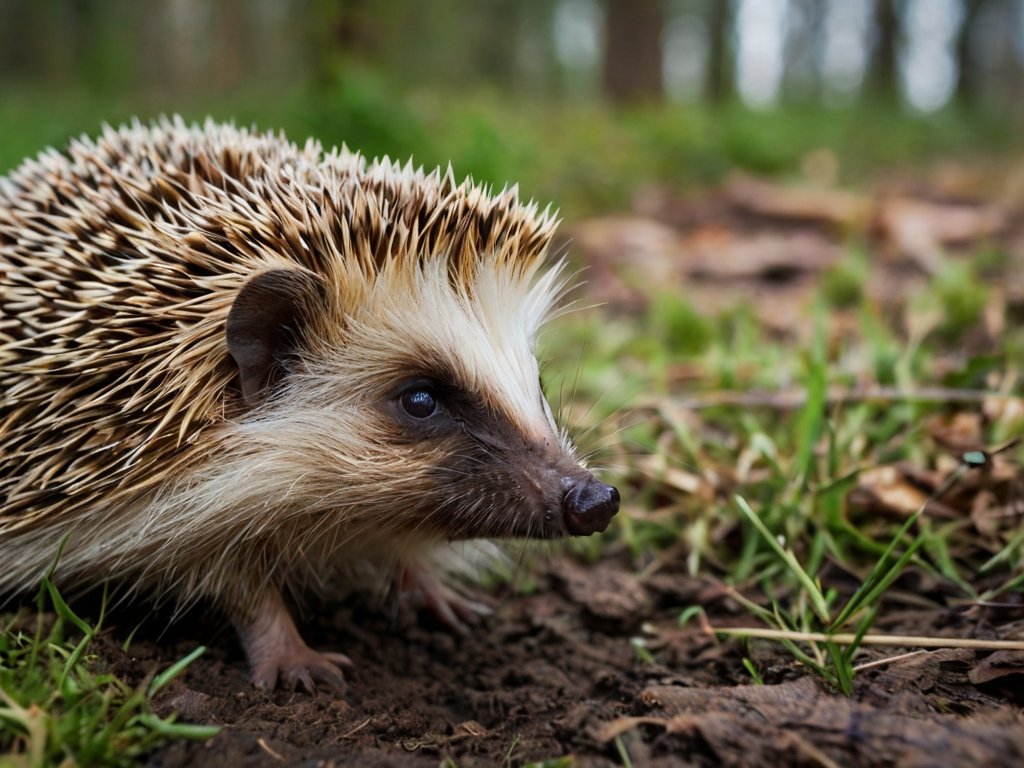
The European or Common Hedgehog is a very familiar mammal that most of us would love to see in our garden but sadly in recent years their population in the UK has collapsed by over 50% by some estimates and to see one now is a rare treat. Apart from the enjoyment of seeing one of these, there are good reasons for encouraging their presence as hedgehogs are insectivores who will eat a lot of garden pests such as slugs and snails as well as a range of other insects.
One of the easiest ways to attract hedgehogs to your garden is to ensure a range of native plants, shrubs and hedges that attract the species of insects that make up their diet and provide cover and shelter. Beech and hawthorn are good choices for a hedge whilst there is a long list of suitable shrubs and plants that hedgehogs will enjoy including buddleia, lavender, foxgloves, geraniums and hydrangeas. In general, any plant that provides good ground cover is suitable for hedgehogs.
You can leave a corner of your garden to go wild with long grass and bramble or a log pile where they can build a nest. Alternatively, you can buy a hedgehog house of which there are now a variety of designs available. A compost heap can often be used by hedgehogs so always take care when forking them over.
When feeding wild animals, you should concentrate your efforts during Winter Months when food is in short supply and do not feed so regularly that they become over-reliant on your offerings. The most suitable food for hedgehogs is wet cat or dog food although there are now specialist hedgehog foods available to buy. It can be placed in a shelter that is only large enough for a hedgehog to enter to prevent local cats from stealing it. The food should always be kept fresh and replaced if not eaten. A shallow dish of clean water can also be given. You should NEVER provide bread or milk for hedgehogs as both will make them ill.
Did you know that a hedgehog can travel up to a mile every night in its search for food and one of the problems they have near housing is how garden fences prevent them from freely moving in the direction they wish to go. A simple way to encourage and help them is to create a gap under your fence on both sides of your garden and suggest your neighbours do the same. Of course, a border hedge is so much more wildlife-friendly than a solid fence or wall.
Bats
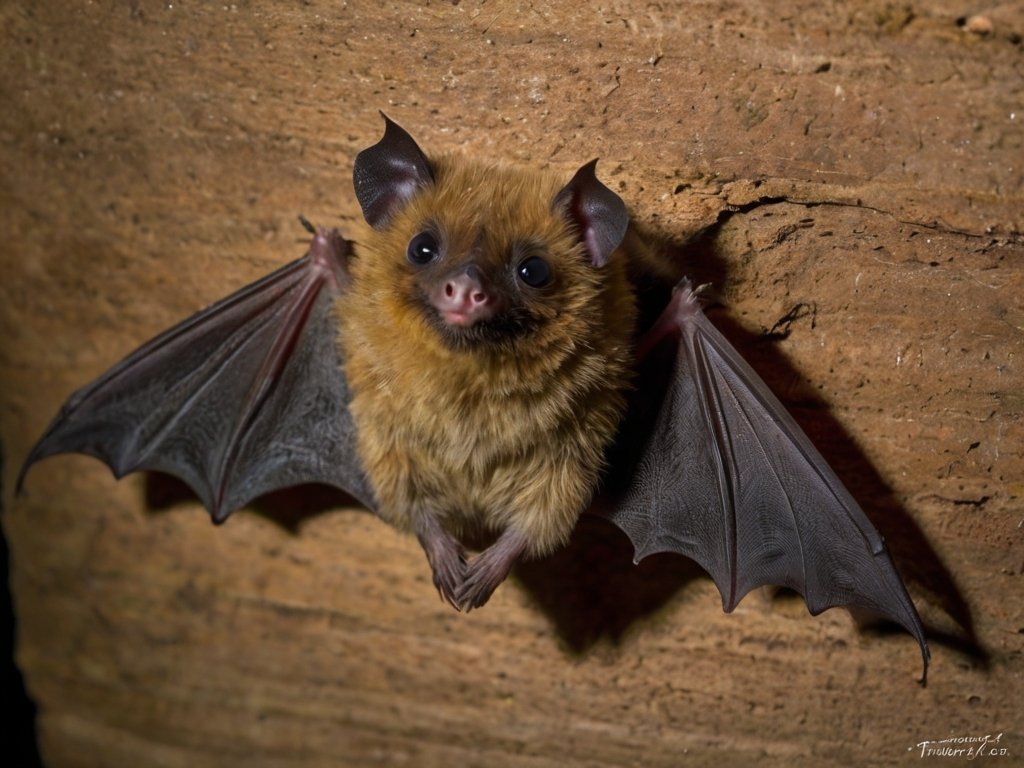
Bats are the only genuine flying mammals and we have 18 species of these wonderful animals in Great Britain with Common Pipistrelles being the most common. In the world there are over 1400 species making them the second largest group of mammals behind rodents. Their numbers have dropped dramatically in recent years due to habitat loss and as a result all types of bats and their roots are protected by law.
Bats are a nocturnal mammal that feeds on insects especially types which are active at dusk when bats are active. They also eat lacewings, mayflies and some species of beetles. Some types of bats also eat fruit, berries and seeds.
During the day bats roost. The most common place they choose are trees but they also use roofs of houses and sheds, bridges and caves. They may move from one roost to another at different times of year.
The best way to attract bats to your garden is to grow insect friendly plants that will provide them with plenty of food. Ones that attract night flying insects like moths are best and good choices include Jasmine, Honeysuckle, Ivy and Michaelmas Daisy. You should plant a range of flowers and shrubs that flower at different times to extend the period that they attract the insects. You can also increase insect levels if you avoid using any chemicals or pesticides in your garden.
Other easy ways to increase the level of insects in your garden are to create a compost heap, build a small pond or leave an area of ground untended and wild. These things will help make your garden more friendly for bats and many other types of wildlife.
Offering suitable shelter is another way to make you garden bat friendly. If your property is large enough and its safe to do so you can leave an old or dead tree whose decaying bark will provide the perfect roosting location. There are also a range of bat boxes that you can buy which are suitable for either fixing to trees or to buildings. These should be placed at a height of at least three metres (ideally higher) and face either East or South. A place that receives several hours of direct sunlight is best. They should also be fixed somewhere that doesn’t give easy access to predators. You should avoid placing them anywhere near a source of artificial lighting which may disturb them and could be an offence.
Shrews and Voles
Britain has a variety of these species of small mammals which some people might like to encourage into their gardens. They are all of similar sizes but their diets and ideal habitats vary.
Shrews
Often thought of as a mouse the Shrew is closely related to the mole. They are insectivores who also eat spiders, slugs, snails and earthworms. The Common Shrew is found throughout the UK living in woodland, fields and even gardens. Should you see one they are easy to identify as they have a long-pointed nose.
The easiest way to encourage Shrews into your garden is to leave an area untended with long grass, plenty of wood and leaves to encourage insects and spiders. As for any other insectivores anything you do to make your garden more wildlife friendly will help.
Voles
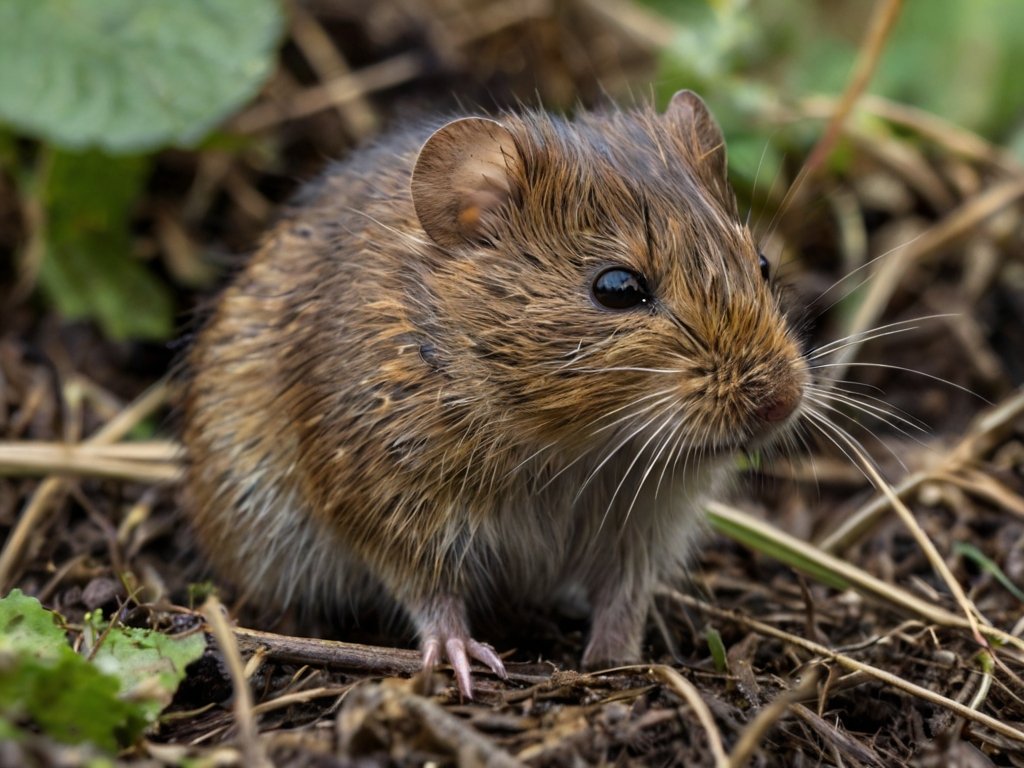
There are three types of Vole found in the UK. These are the Water Vole, Bank Vole and Field Vole. As you would expect Water Voles are usually found near a stream, brook or wet ditch whereas Field and Bank Voles may be found in woodland, grassland and hedgerows. Voles are herbivores, mostly eating grass, roots, leaves, fruits and seeds.
Should you want to encourage voles then a water feature like a small pond would be ideal for the Water Vole. You can also provide an area of long grass, weeds and a leaf pile that they will enjoy.
Voles can cause damage to lawns so they wont be welcome visitors for everyone but for people who enjoy a true wildlife focussed garden they do have their place.
Squirrels
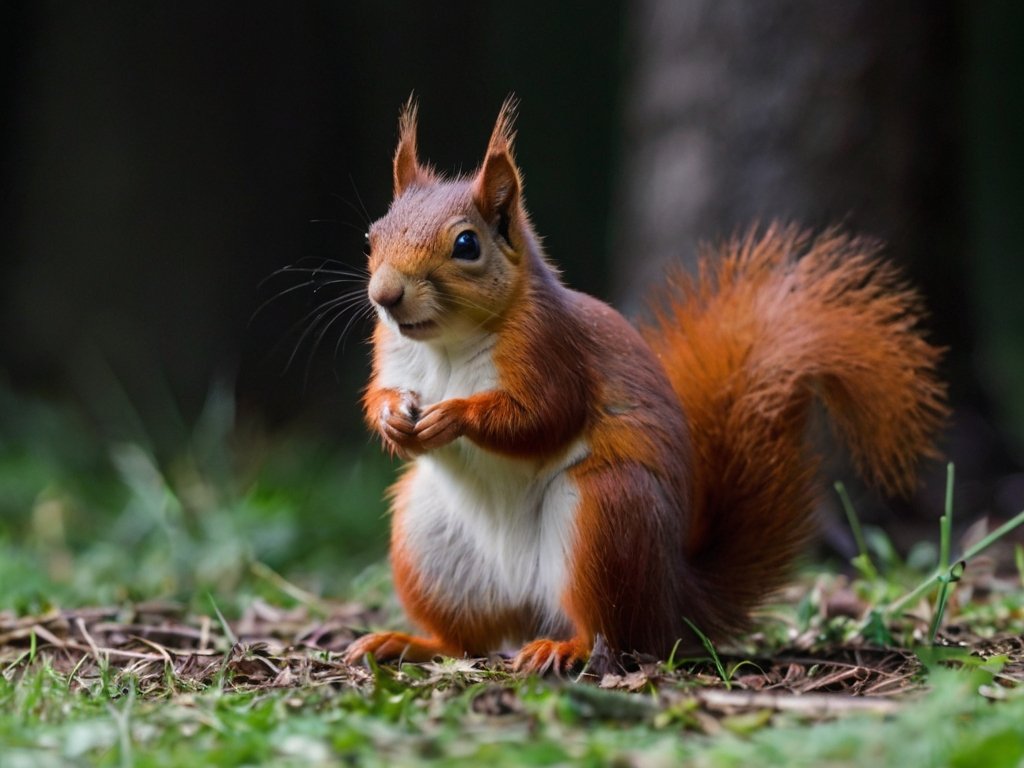
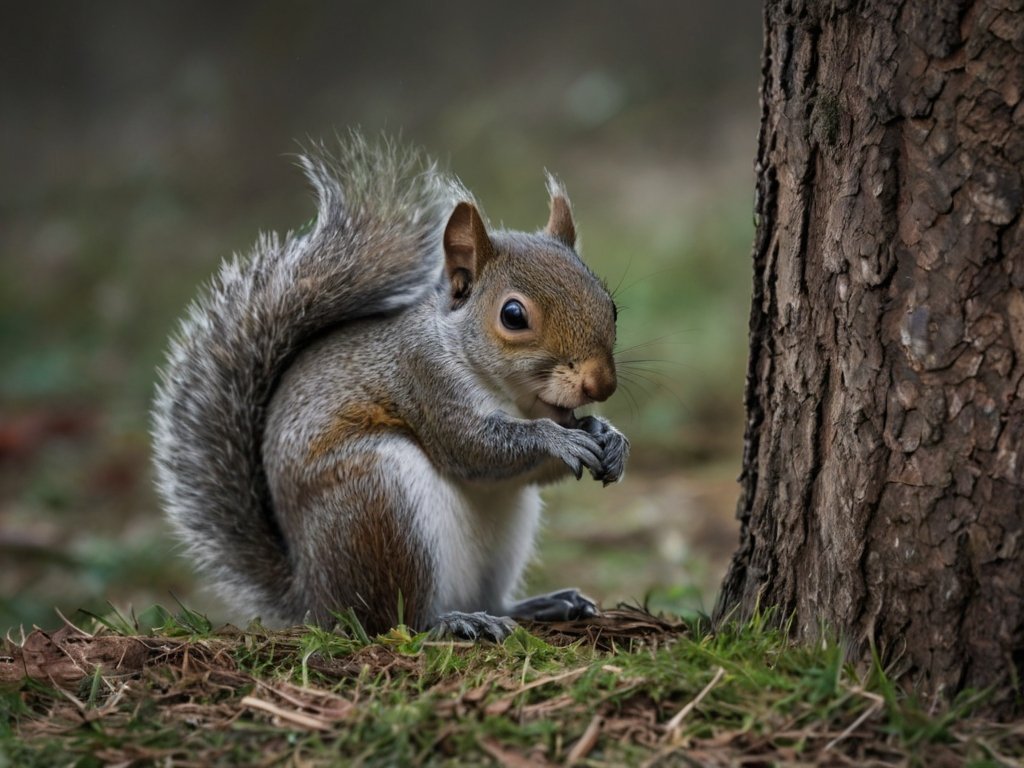
Britain has two species of squirrel, the small native Red and the larger imported Grey. Nowadays Red Squirrels are very rare in England apart from the Lake District and the forests in Northumberland but are still seen across Scotland and Ireland. The Grey Squirrel which is far more widespread splits opinion with a lot of people believing they are vermin and should be strongly controlled However others do enjoy seeing them in their garden.
Squirrels are rodents who eat nuts, pine seeds, acorns, tree shoots and occasionally birds eggs. They live in woodland and parks where there are plenty of trees and often visit gardens where food has been left for the birds. They can be a nuisance, not only eating the food but chewing and destroying bird feeders. People who only wish to feed birds may need to invest in special squirrel proof feeders.
Should you wish to encourage them to your garden there are several easy steps you can take. Firstly, you can provide them with food such as nuts and seeds such as acorns similar to their natural diet. Food can be given in a special squirrel feeder along with a dish of fresh water. Feeders and dishes should be regularly cleaned to prevent disease. Squirrels normally live in a nest that is called a drey, but you can buy or build a nesting box that they will use. These are simply large boxes with a hole for access like a large bird box. Squirrels like trees and a lot of cover, you rarely see them at ground level in open spaces so if you have the room you can plant a tree or bush for them to climb on. A fast-growing conifer would be ideal. Finally, you can even purchase a squirrel call that mimics the sounds they make and will attract them when it is heard.
Of all the mammals in the UK grey squirrels are probably the ones you are most likely to see in your garden. If you follow the suggestions above and there are some in your area then its highly probable they will appear.
Summary
Attracting small mammals to your garden such as hedgehogs, bats, shrews and voles will help maintain their population levels as well as give you many hours of enjoyment. Each species plays its own part in maintaining the balance and diversity of our ecosystems and as our natural systems are so interlinked taking steps to attract one species may in turn attract others. For example, by attracting shrews and voles to your garden you may also in turn attract their natural predators such as owls, stoats and weasels. Creating a wildlife friendly garden will therefore benefit a much wider range of mammals, birds and insects than the ones you specifically plan to attract.
With all the challenges of urbanization, habitat loss, and climate change that our natural world currently faces doing anything to benefit even one small area of nature is a very worthwhile activity and it is our hope that after reading this you choose to make your garden a friendlier and healthier place for our wildlife.